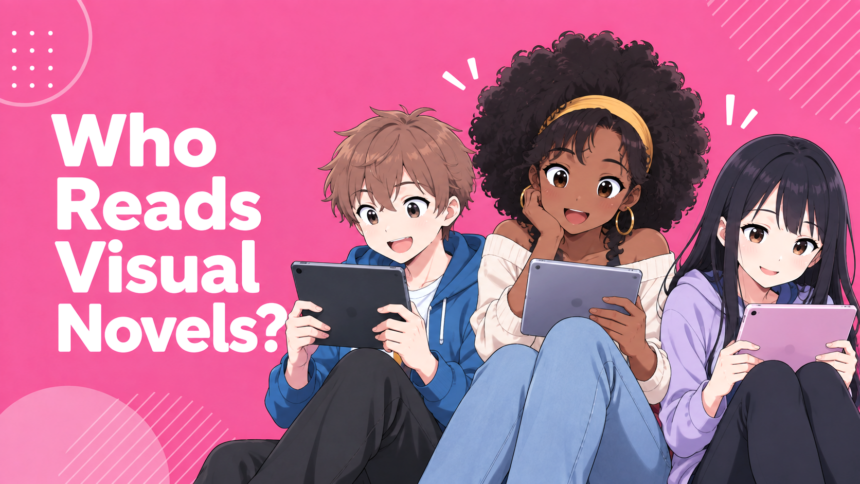
The visual novel audience skews younger and more male than the general gaming population, but that headline number hides a lot of real variation underneath it. Genre preference splits sharply by gender, reading habits shift significantly with age, and the community itself, visible in surveys and discussion on r/visualnovels, spans everything from casual mobile readers to dedicated fans who track hundred-hour backlogs on spreadsheets. Treating “visual novel reader” as one uniform group misses most of what actually makes the community interesting.
What Survey Data Actually Shows
One of the more substantial demographic surveys came from MangaGamer several years back, pulling responses from thousands of visual novel readers about their habits and preferences. The audience skewed heavily male and college-aged, with the majority of respondents falling between 18 and 30 years old. Genre preference tracked closely with gender in that same survey, with women gravitating toward otome and BL titles while men leaned toward nukige and slice-of-life content, though romance ranked as the most broadly preferred genre across every group surveyed.
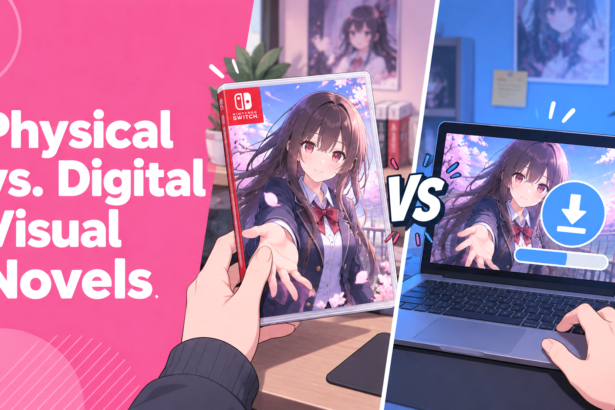
Purchasing habits told an interesting story too. Digital downloads were preferred over physical copies by a clear majority of respondents, a preference that was stronger among younger readers, while older fans leaned more toward physical media. Content preference around all-ages versus explicit editions also split in a way that might surprise readers unfamiliar with the space: a large share of respondents preferred adult versions specifically, another sizable group wanted whichever version was the original unedited release regardless of content, and only a small minority actually preferred all-ages editions outright.
It’s worth flagging that survey data like this comes from self-selected respondents, usually readers active enough in dedicated communities or newsletters to fill out a lengthy survey in the first place. That skews results toward more engaged, more invested fans rather than casual readers who might play a handful of free titles a year without ever visiting a forum or filling out a questionnaire. Community demographic snapshots should be read as a picture of the vocal, active fanbase more than a precise census of everyone who’s ever opened a visual novel.
Age Patterns Aren’t as Simple as “Young”
While the audience does skew younger overall, reading habits shift noticeably as fans age within the hobby rather than aging out of it entirely. Younger readers, particularly teens and readers in their early twenties, tend to gravitate toward lighter, more accessible titles: comedy, slice-of-life, and shorter dating sims that don’t demand a huge time investment. Older readers, often people who’ve been in the community for years, tend to drift toward longer, more demanding titles and are more willing to sit with heavier psychological or dramatic content.
This pattern makes sense once you consider how the hobby actually works for most people. A reader who started with a short, beginner-friendly title in their teens and stuck with the format for a decade has built up both the patience and the appetite for denser, more challenging stories that a first-time reader usually isn’t ready for yet.
Gender and Genre Preference
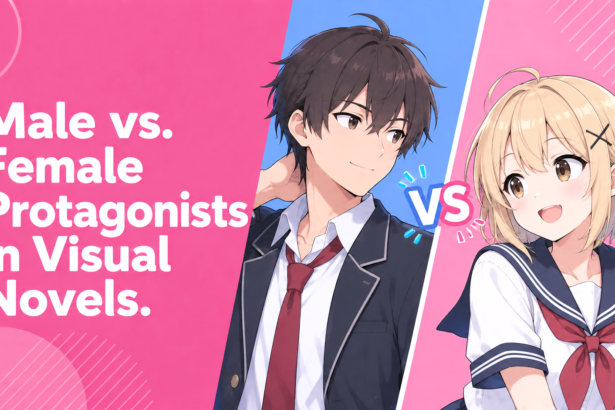
Genre preference correlates with gender more strongly in visual novels than in a lot of other game categories, largely because entire subgenres are built specifically around a target audience’s expectations. Otome games are written and marketed specifically toward female players seeking a female-protagonist romance experience, while a large portion of the traditional eroge market skews toward a male audience with different genre and content expectations layered on top.
That said, crossover happens constantly, and treating these lines as rigid does a disservice to how the community actually behaves. Plenty of readers regularly cross genre lines built around a specific target demographic, and why people are drawn to visual novels in general tends to have more to do with storytelling and character writing quality than a reader’s own gender lining up neatly with a genre’s original marketing intent.
Regional Differences in the Community
Visual novels originated overwhelmingly in Japan, and Japan’s continued dominance of the industry still shapes a lot of what gets produced and localized for other markets. Western fan communities, by contrast, have grown substantially around localized Japanese titles alongside a rising wave of original English-language visual novels built with different sensibilities and different genre conventions from the start.
These communities don’t always overlap cleanly. A reader deeply embedded in Japanese eroge fandom and a reader who discovered the medium through a Western-made indie darling on Steam sometimes have almost no shared reading history despite being part of the same broader hobby, and recommendation threads in mixed communities occasionally reveal just how differently these two groups approach the format.
Reading Habits Vary by Platform Too
How readers access visual novels shapes their habits almost as much as demographics do. Mobile-first readers, drawn in through free or freemium titles available directly on a phone, tend to read in shorter sessions and gravitate toward episodic or chapter-based structures that fit naturally into commute-length reading windows. PC-first readers, especially those buying through storefronts built around longer, premium releases, tend toward longer uninterrupted sessions and a greater willingness to sit with a fifty-hour epic across several sittings.
Neither approach is more legitimate than the other, but they do produce noticeably different community norms. Mobile-heavy communities often discuss visual novels in terms of daily or weekly release schedules, while PC-focused communities tend to talk more in terms of full playthroughs and completed routes.
The Community Is Bigger Than the Stereotype Suggests
The lingering stereotype of a visual novel reader (a young, socially isolated male reading exclusively adult content) captures a real slice of the audience but badly misrepresents the whole. The genre’s actual range spans family-friendly slice-of-life comedies, literary psychological dramas, mystery thrillers, and romance titles built for audiences of every gender, and the community around it has grown correspondingly diverse as the medium’s genre range has expanded. Anyone judging the audience purely off outdated assumptions is working from a picture that stopped being accurate years ago, if it was ever fully accurate to begin with.
The Short Version
Available survey data points to an audience that’s younger and more male than gaming as a whole, but genre preference, reading habits, and regional community culture all vary widely underneath that broad picture. Age shifts what readers gravitate toward more than it shifts whether they stay in the hobby, gender correlates with genre preference without being a hard rule, and platform choice shapes reading habits as much as any demographic trait does. The community is a lot less monolithic than its reputation suggests, and it keeps getting less so as the range of what counts as a visual novel keeps expanding.