A great love interest gives the reader a reason to care before the romance even starts. Strong writing, a personality that holds up outside romantic scenes, internal contradictions that feel human rather than convenient, and a route that changes them rather than just rewarding the player with affection: these are the pieces that separate a love interest worth remembering from one that fades the moment the credits roll. Design and archetype matter, but they’re the smallest part of what actually makes someone work.
Personality That Exists Outside the Romance
The best love interests would still be interesting characters even if the romantic subplot got deleted entirely. They have goals unrelated to the protagonist, friendships that predate the story, and opinions on things that have nothing to do with how they feel about the player character. A love interest whose entire personality revolves around reacting to the protagonist reads as a mirror rather than a person, and readers notice the difference even when they can’t articulate why a route feels hollow.
This is where a lot of weaker visual novels stumble. It’s tempting to build a character purely around a dere archetype like tsundere or kuudere and stop there, treating the trait as a full personality instead of a starting point. The archetype should describe how a character expresses affection, not explain who they are. A tsundere with no interests, no backstory, and no personality beyond deflecting compliments gets old fast. A tsundere who happens to also be a talented cook, carrying resentment toward an old mentor, and fiercely protective of a younger sibling gives readers something to hold onto between the moments of romantic tension.
Contradictions That Feel Earned
Real people don’t behave consistently, and love interests that feel real tend to carry the same kind of friction. A character who’s confident in public but quietly anxious in private, or generous with strangers but guarded with people close to her, reads as someone shaped by specific experiences rather than assembled from a trait list. The contradiction only works, though, if the story eventually explains or explores it. A character who’s inconsistent purely because the writer never thought it through reads as sloppy rather than layered, and readers can usually tell the difference within a route or two.
The strongest routes use these contradictions as the actual engine of the story. A guarded character slowly letting someone in isn’t just romantic, it’s a character arc, and it gives the route a reason to exist beyond accumulating affection points. Without that arc, a route becomes a checklist of scenes rather than a story with its own shape.
A Voice That’s Distinct From Every Other Character
Dialogue is where a lot of otherwise well-designed love interests fall apart. If a character’s lines could be swapped with another cast member’s without changing much, the writing hasn’t done its job. Distinct speech patterns, particular phrases someone leans on, a specific rhythm to how they argue or joke: these small choices do more to make a character memorable than almost anything else in the script, and they cost nothing but attention from the writer.
This matters even more in games with a large cast, where readers are choosing between multiple potential routes. A love interest with a genuinely distinct voice stands out in group scenes even before their route begins, which is exactly the kind of impression that gets someone chosen over a rival character with a stronger design but flatter dialogue.
Chemistry That Builds Instead of Arriving Fully Formed
The best romantic writing treats attraction as something that develops rather than something the story simply states. Early interactions should feel different in tone from late-route interactions, with familiarity, trust, and specific shared moments accumulating along the way. A good affection system reinforces this by gating certain scenes behind actual relationship progress rather than just choice count, so the pacing of the romance matches what the writing is trying to show.
Chemistry also depends heavily on give and take. A love interest who exists purely to support the protagonist, with no needs, flaws, or moments where the protagonist has to step up for them instead, ends up feeling less like a partner and more like a reward mechanism. The strongest routes give both characters something to offer each other, and something to learn from the relationship by the end.
Flaws That Actually Matter
Perfection is the fastest way to make a love interest forgettable. Readers connect with characters who mess up, misjudge situations, or carry insecurities that occasionally get in their own way, because those moments make the eventual resolution feel earned rather than inevitable. A flaw that never actually causes friction in the story isn’t really a flaw, it’s decoration, and readers can tell the difference between a stated weakness and a weakness that shapes actual events.
The best-written flaws also tie back into a character’s backstory rather than existing in isolation. Someone who struggles to trust people because of a specific past betrayal reads as coherent. Someone who’s just randomly jealous with no explanation reads as a plot device inserted to manufacture drama. The former earns its conflict. The latter borrows it.
Design That Supports the Writing, Not the Other Way Around
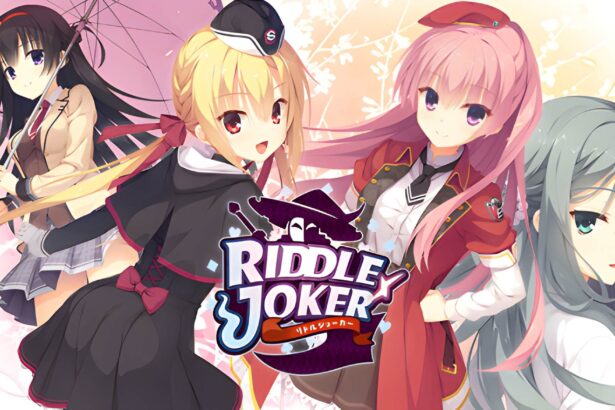
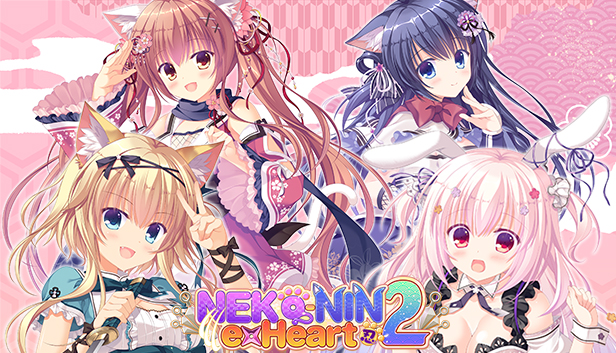
Visual design still matters, obviously, since it’s often the first impression a reader gets before a single line of dialogue loads, and it carries outsized weight in bishōjo games specifically. A strong character design uses color, silhouette, and small visual details to hint at personality before the writing confirms it: sharp angles and dark palettes for someone guarded, softer shapes and warmer colors for someone open and expressive. When design and writing align, a character feels cohesive from the first sprite reveal. When they clash, readers spend the whole route reconciling a mismatch between how someone looks and how they actually behave.
Design becomes a problem specifically when it’s asked to substitute for writing rather than support it. A striking design can get a character noticed in promotional art or a fan popularity ranking like the ones VNDB tracks for its characters, but it can’t carry a route on its own once the reader is actually playing through the story. The characters that stick with people years later are almost never remembered purely for how they looked.
An Ending That Reflects the Journey
The best routes land on an ending that feels like a natural consequence of everything that came before it, not a reward tacked onto the end for finishing the route. If a character spent the story learning to open up, the ending should show that change in some concrete way rather than just stating the two characters are now together. Readers remember endings that pay off specific moments from earlier in the route far more than endings that simply declare a happy resolution.
This is also where what makes a visual novel good overall connects directly to what makes a specific love interest good. A well-written route doesn’t exist in isolation from the rest of the game’s writing quality. The same care that goes into pacing, dialogue, and character consistency across an entire visual novel is what separates a love interest readers remember from one they forget within a week of finishing the game.
The Short Version
A great visual novel love interest needs a personality that exists independent of the romance, contradictions that feel earned rather than arbitrary, a distinct voice, chemistry that builds gradually, flaws with real consequences, design that reinforces rather than replaces the writing, and an ending that reflects genuine change. Archetype and appearance can get someone noticed. Everything on this list is what actually makes someone worth remembering, and it’s a question r/visualnovels revisits constantly, since readers rarely agree on which specific traits matter most.